

I learned very quickly in the position of managing so many volunteers to rejoice when they are able to serve and rejoice with them when they are able to take time to enjoy life. The truth is, I am incredibly thankful for the team that has come alongside this Worship Ministry.
Run To The Father

The keen worshippers among the congregation might have noticed that I have also slipped a new song into our time of communion. This space in the past has been a good place to test new music, as it is a time of passing and reflection and not intended to be 100% participatory. The song “Run To The Father” has been in my heart and in my private times of worship for the past few years and I hope it is an equal blessing to our corporate praise as well.
25 Songs…?

About this time last year, we set in motion a plan for our contemporary worship that I had hoped would transform our corporate praise. A year later, I feel pretty confident about its success. Best part is you may have not even noticed.
Worship and Expression
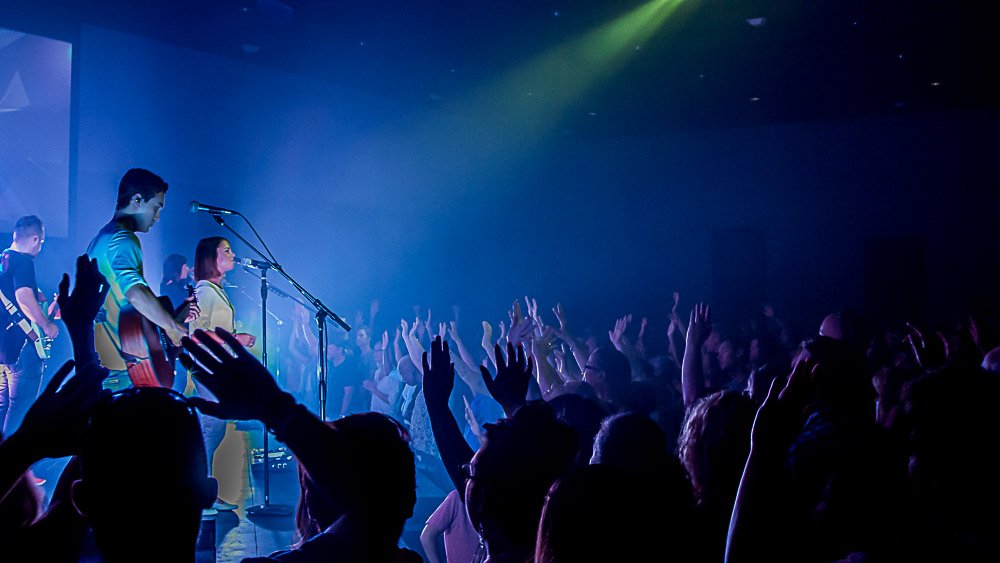
If I may be so bold, none of these feel or look comfortable in our modern setting. And it begs the question of why? Has our praise become a whisper, stifled by social norms handed down? To what degree do we abolish modesty while making way for spiritual expression?
Shâbach
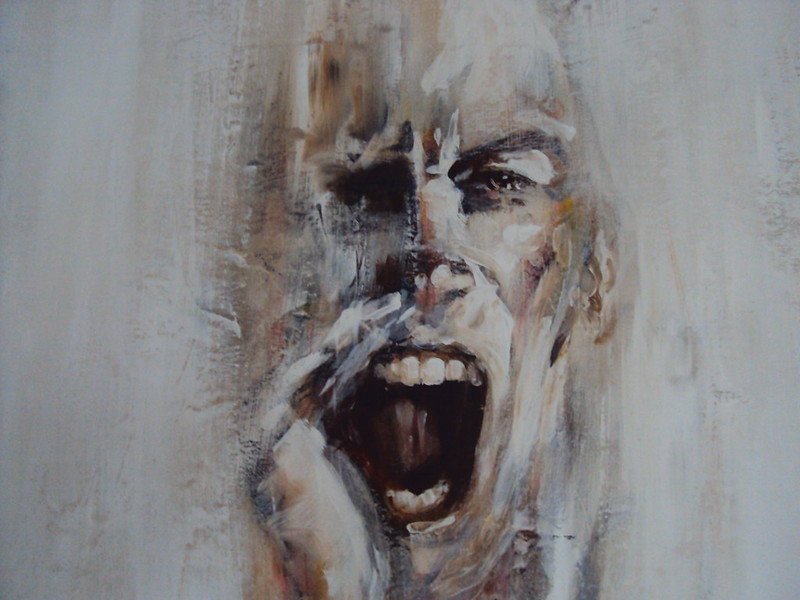
It is a word full of faith and is indeed a robust and loud act of praise. It exists far fewer times than some other words of praise, but is one that calls upon large groups, nations and generations, to issue a shout or a roar and declare the greatness of our God.
Tehillâh
This word invites us to recognize the beauty and intimacy of spontaneity or worship (even if it is uncomfortable). It doesn’t have to be public. We can commemorate the greatness of our God as we sing a new song to our God in private, too.
Bârak
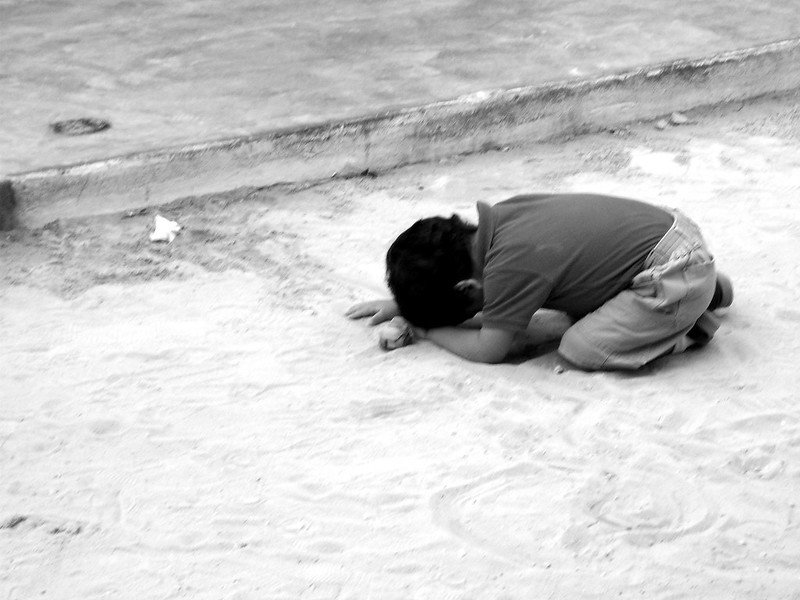
Sometimes we are called to praise God in circumstances that are less than desirable – or downright difficult – knowing something good is coming, even though we can’t see it yet. This word is tôwdâh (to-daw’) and it represents a physical expression of an inward emotion: an extension of the hand, a thanksgiving for things that are yet to be received, a sacrifice of praise.
Tôwdâh
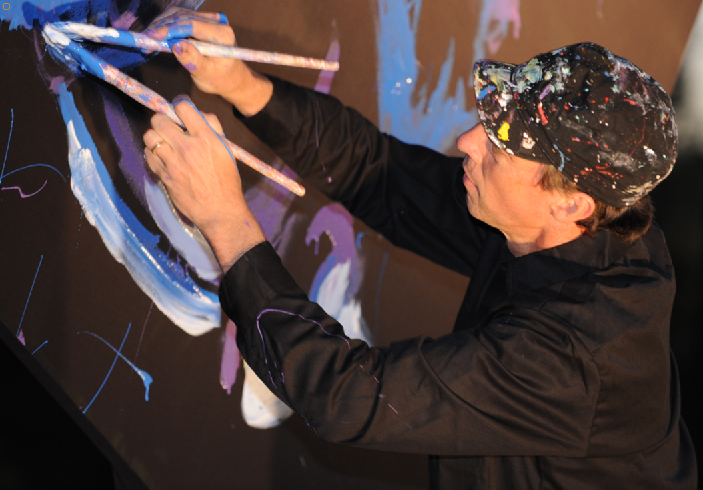
Sometimes we are called to praise God in circumstances that are less than desirable – or downright difficult – knowing something good is coming, even though we can’t see it yet. This word is tôwdâh (to-daw’) and it represents a physical expression of an inward emotion: an extension of the hand, a thanksgiving for things that are yet to be received, a sacrifice of praise.
Zâmar
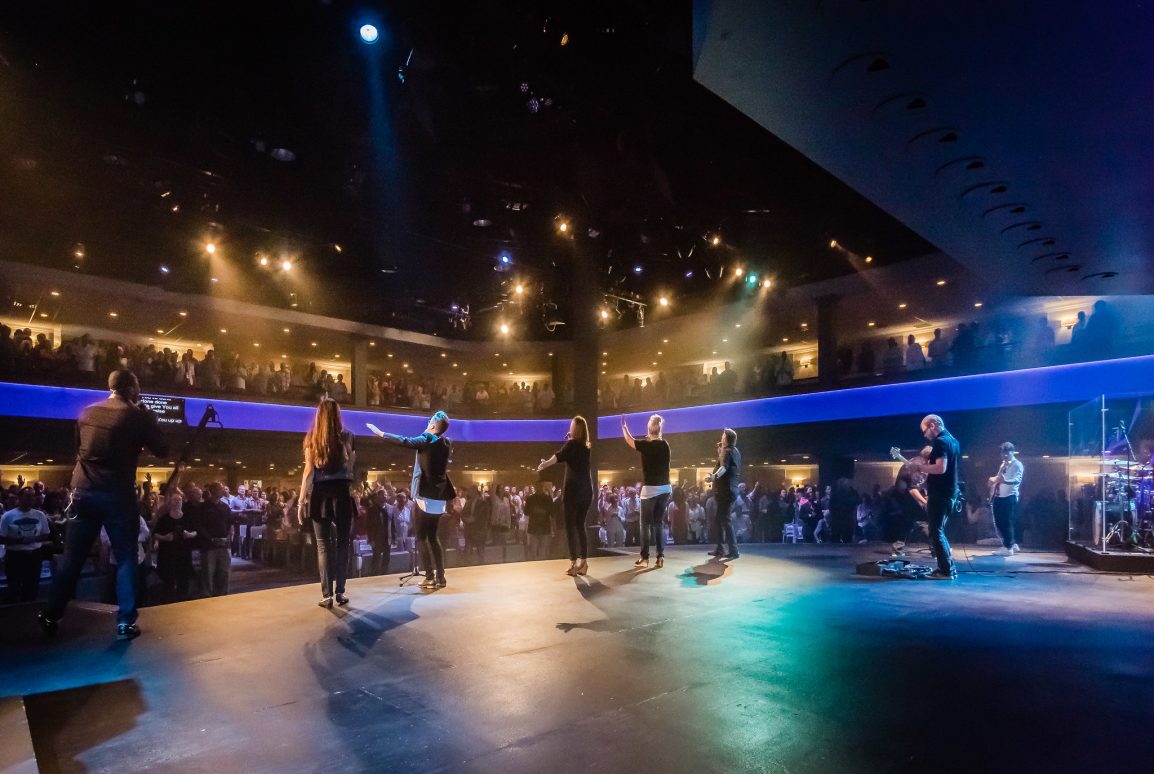
In our modern context, it can arguably be said that the word we consider most synonymous with worship is music. This isn’t necessarily a bad thing. It is of course our most common, universal element of corporate worship. Imagine attending a worship service where there was no music… Would you even call it “worship?”
Hâlal
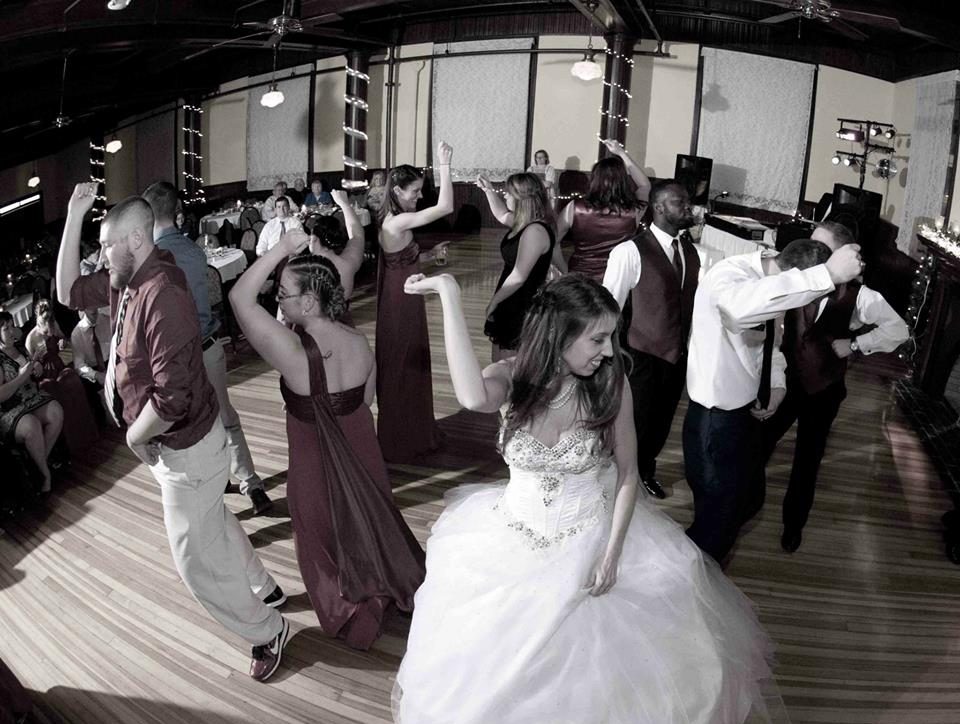
This scene is where we find understanding for the second Hebrew word translated into praise: hâlal (haw-lal’). This word is right at home in feasts and celebrations as it means to boast, rave, shine, celebrate, and be clamorously foolish. If this sounds too far from worship, be reminded that this is the primary Hebrew word for praise, and where we derive the biblical word hallelujah.